
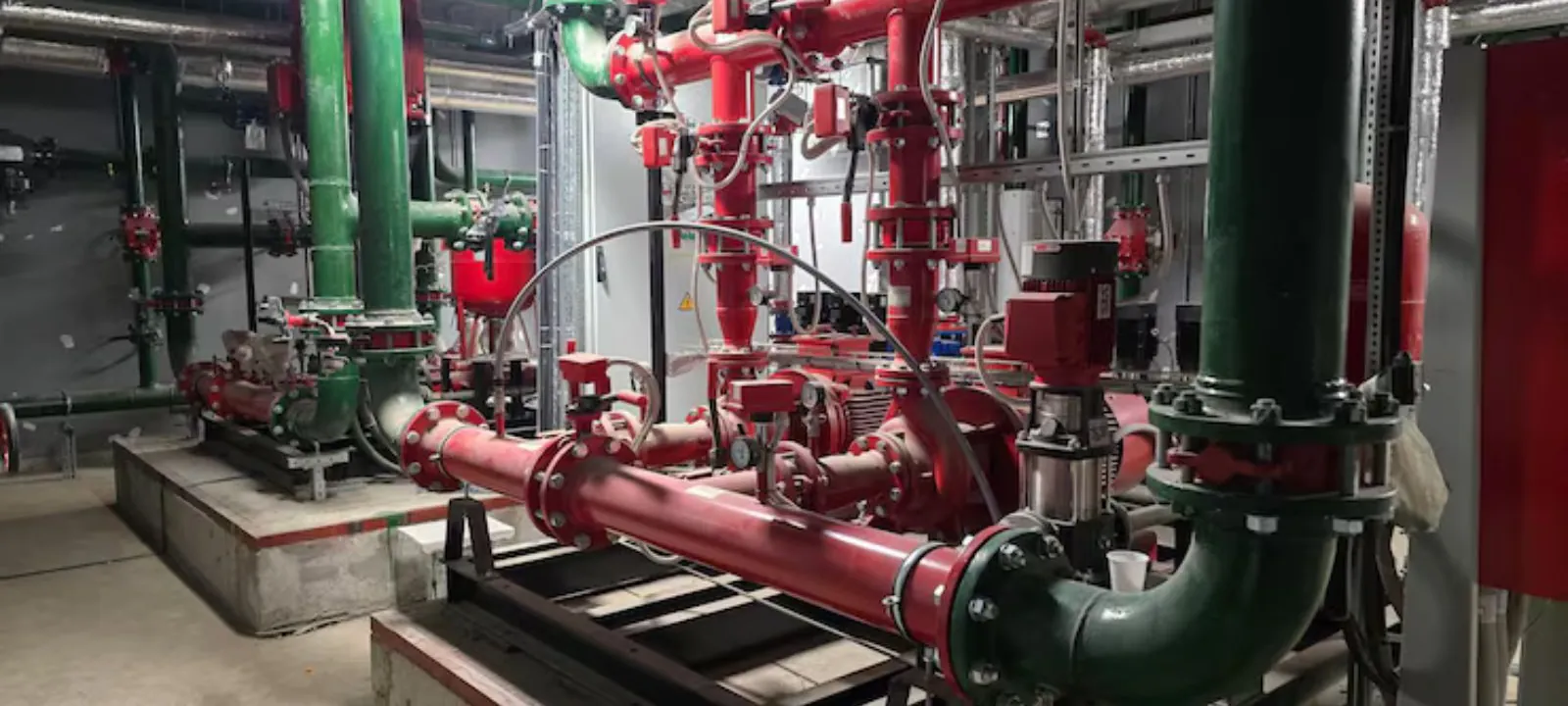
A flooded floor, a backed-up restroom, or a failed supply line in a business is urgent because every hour costs customers, and our 24/7 emergency dispatch sends licensed plumbers for commercial plumbing in Pelham, AL. Commercial plumbing means the supply, drain, and fixture systems in restaurants, shops, offices, and other non-residential buildings. Shut off the water to the affected area, stop using the drains, and call the dispatch line from a safe spot.
If there is standing water near outlets, panels, or kitchen equipment, keep everyone out and call the 24/7 line. If you can reach the breaker from dry footing, switch off power to that area. Move inventory off the floor where it is dry to do so, and photograph the water before cleanup. Same-day appointments when available, and after-hours and weekend calls go to the same dispatch.
Emergency calls after closing time
Commercial water problems usually surface after the building has sat unused: overnight, over a weekend, or on a holiday. For example, a restaurant might find water in the dish area when the first cook arrives, or a shop might find a ceiling stain on Monday. Water that runs unseen for those hours does the most damage, so call before you start cleanup.
Tell the dispatcher what kind of building it is, how many floors, whether the water is clean or sewage, and where the main shutoff is. If you do not know where it is, find it before an emergency. In multi-tenant buildings, the shutoff may be in a utility room or in a locked mechanical space. If you cannot find it, the dispatcher can talk you through the search.
Have ready when you call
- The street address and suite number
- The building type, such as restaurant, retail suite, or office
- Whether the water is clean or looks like sewage
- Where the main shutoff is, or that you cannot find it
Who pays: tenant, landlord, and what to document
Leases decide who is responsible for what, and the answer differs between buildings. A problem inside your suite, such as a fixture, a faucet, or a line from your floor drain, can fall to the tenant. A problem in a shared riser, a roof drain, or the main sewer line can fall to the owner, but your lease and the property manager settle it.
Read your lease, but do not wait for an answer before you protect the space. Take photos, note the time, and write down what the plumber finds. Keep the invoice. If the cause turns out to be the building and not your suite, that record is what you show the property manager.
Restaurants and retail along Pelham Parkway
Pelham Parkway is the city's main commercial corridor, and our address is on it. Cahaba Valley Road, Valleydale Road, and Old Montgomery Highway also carry Pelham addresses. Whichever road you are on, the dispatcher needs the exact address to send the plumber to the right place.
Tell the dispatcher the street, the suite number, and the nearest I-65 exit (242 or 246) so the plumber finds the right entrance. We serve Pelham and nearby towns, including Helena and Alabaster. Pelham Water Works runs sewer service, so if several businesses on the same street back up, tell the dispatcher and ask Water Works at (205) 620-6420 whether the public main is involved.
Grease traps and interceptors
A grease trap catches fats, oils, and food solids before they reach the sewer. When it fills, it stops working, and grease moves down the line and hardens. Signs are slow kitchen drains, foul odor near the dish area, and repeated clogs that clear and return.
Cleaning means pumping out the contents, scraping the walls, and checking the baffles and seals. Small units under the sink can often be cleaned by hand, while large in-ground interceptors are usually a bigger job. Ask the plumber what the visit includes. Keep a dated record of each cleaning and who did it. Pelham Water Works handles sewer, so ask them whether any local requirements apply.
Backflow testing
A backflow preventer is a valve assembly that stops used water from flowing back into the public supply. Irrigation systems, fire lines, boilers, and carwash equipment are typical places for them. They have moving parts that can wear, so they are worth having checked.
Testing rules for backflow devices can come from the water utility, the state, or the plumbing code, and they depend on the device and how it is used. Ask Pelham Water Works at (205) 620-6420 or the Pelham Building Department at 205.620.6495 which rules apply to your building. A plumber can test the device, report the result, and repair or replace it if it fails. Keep the report on file.
Alabama's Plumbers and Gas Fitters Examining Board rule 720-X-1-.02 names the 2021 International Plumbing Code (IPC) for commercial plumbing, so check with the board for the current edition. You can also verify any plumber's license in the board's Licensee Search at pgfb.alabama.gov.
| Problem | Likely cause | Typical response |
|---|---|---|
| Dish area drains slowly | Full grease trap or a blocked line | Clean the trap, then cable the line |
| Restroom floor flooding | Stoppage in the building drain | Clear the line with a cable or a camera check, or sewer line cleaning if it is the main |
| Flushometer will not stop | Worn diaphragm or stuck piston | Rebuild the valve or replace the unit |
| Floor drain smells | Dry trap or partial blockage | Refill the trap seal and clear the line |
Flushometers, floor drains, and storm drains
Commercial toilets and urinals use flushometers, valves that deliver a measured burst of water directly from the supply line. When the diaphragm wears, the valve either sticks open and runs, or fails to flush. A plumber can often rebuild the valve. One that sticks open can waste a lot of water overnight, so close its supply stop if you can reach it.
Floor drains protect kitchens, mechanical rooms, and restrooms. They dry out if unused, and then sewer smell enters the room. Pouring water in them periodically keeps the trap sealed. A drain that backs up needs drain cleaning of the line beyond it.
Outdoor storm drains and lot inlets are a separate matter from the plumbing inside your building. If water ponds in your lot after a storm, describe it to the dispatcher so you can be told whether it is a plumbing job, and ask your property manager who maintains the lot drainage.
Hidden water use and what leak detection can find
If your water usage is high and no leak is visible, leak detection can help. A plumber may use listening gear and pressure testing to narrow the search. It will not always find the leak, and in a large building it may take more than one visit.
Working around business hours
Planned work can happen before opening, after closing, or on a day you are closed. Tell the dispatcher your hours, whether the building is shared, and who can let the plumber in. In a shared building, ask the property manager to warn other tenants before the water goes off.
For new fixtures, restroom additions, or buildouts, plumbing installation covers the rough-in and finish. Permit rules vary by job, so ask the Pelham Building Department at 205.620.6495, which issues permits and inspects commercial and residential construction inside city limits.
What shapes a commercial plumbing price
Commercial jobs vary widely, and the price follows the specifics.
Ask your insurer what your policy covers and keep photos and the plumber's invoice. Call us and you will get a clear price before work starts.
Business plumbing down?
Call the 24/7 line, tell the dispatcher what kind of building it is, and keep the water off until the plumber says otherwise.
Commercial plumbing questions
Yes. Dispatch is 24/7, so a licensed plumber can be sent overnight, on weekends, and on holidays for floods, sewage backups, and failed supply lines in businesses.
Same-day appointments when available. Shut off the water to the affected area and tell the dispatcher the type of building.
It depends on the lease. Fixtures and lines inside your suite are often the tenant's responsibility, while shared risers, roof drains, and the main sewer line are usually the owner's.
Document the problem and call the property manager. Do not wait to stop the water.
Slow kitchen drains, odor near the dish area, and clogs that return soon after clearing are common signs. A full trap also fails to separate grease.
Clean it on a regular schedule, not only when it fails, and keep a dated record of each cleaning.
Testing rules can come from the water utility, the state, or the plumbing code, and they depend on the device. Ask Pelham Water Works at (205) 620-6420 or the Pelham Building Department at 205.620.6495 about your building.
A plumber can perform the test and make repairs if it fails.
Yes. Planned work can be scheduled before opening, after closing, or on a closed day, and same-day appointments when available.
Tell the dispatcher your hours and who holds the key.